WhatsApp vs SMS vs Email Marketing: Which Is Better?
WhatsApp vs SMS vs email marketing compared worldwide: reach, consent rules, cost model, rich content, replies, automation, tracking and when each one is best.
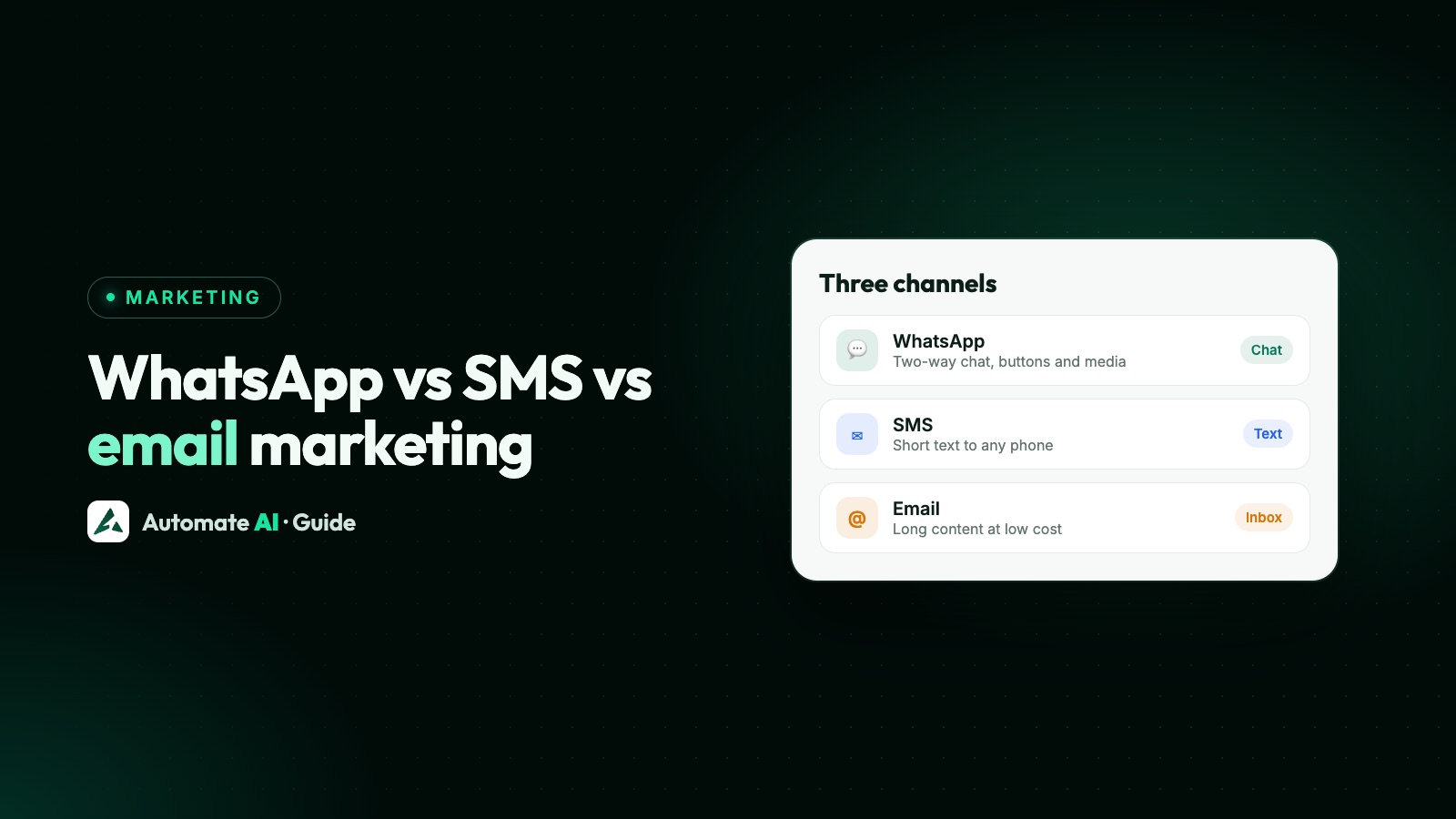
None of the three is better at everything: WhatsApp is strongest for conversations with people who opted in, SMS for short messages that must reach any phone, and email for long content at low cost. The right choice depends on the message, the audience and the country, and many businesses use two or more.
This guide compares them worldwide on reach, consent rules, cost model, rich content, two-way replies, automation and tracking, and it says plainly when email or SMS is the better choice. In India? WhatsApp vs SMS marketing in India covers TRAI’s DLT rules in detail.
Key takeaways
- There’s no overall winner: choose by message, audience and country.
- WhatsApp needs opt-in and approved templates for messages you start, and customers can reply in the same chat.
- SMS reaches any mobile number without an app, but it’s plain text and the rules vary by country.
- Email suits long content and usually costs least to send, but reaching the inbox takes work and open rates are unreliable.
- In the US, WhatsApp doesn’t currently deliver marketing templates, so email or SMS is the better route for offers.
- Compare channels on replies and sales from your own tests, not on open-rate claims.
At a glance: WhatsApp, SMS and email compared
| SMS | |||
|---|---|---|---|
| Reach | People who use WhatsApp, which varies by country; no marketing templates to US numbers | Any mobile number that can receive texts, with no app or data needed | Anyone with an email address, if you reach the inbox |
| Consent rules | Opt-in required by WhatsApp’s policy, plus local law | Set by local law and carriers; varies widely | Set by local law: opt-in in the UK, opt-out in the US, plus mailbox providers’ rules |
| Cost model | Per delivered template, by category and country | Per message part, by provider and country | Usually a monthly plan based on list size or sends |
| Rich content | Images, video, documents, buttons, carousels | Plain text | Full layouts, images and long text |
| Two-way replies | Yes, in the same chat | Possible if your number accepts replies | Possible, but campaigns are rarely built for it |
| Automation | Chatbots, drip sequences and AI replies, through a platform | Scheduled sends and keyword replies, depending on your provider | Sequences, segments and newsletters are well established |
| Tracking | Sent, delivered, read, replies and button taps | Delivery reports, and clicks with tracked links | Clicks and replies; opens are unreliable |
| Best use | Conversations, reminders and offers to opted-in customers | Alerts, codes and people not on WhatsApp | Newsletters, long content, receipts and records |
Reach: who you can actually get to
Reach isn’t the size of your list. It’s how many people will really see the message on that channel, in that country.
- WhatsApp reaches people who have it, and use varies a lot by country. WhatsApp can also hold back marketing templates from people less likely to engage, and it doesn’t currently deliver marketing templates to US numbers at all.
- SMS works on any phone with signal, with no app or internet. That makes it the widest net for short messages, within each country’s sender rules.
- Email reaches anyone with an address, but the inbox is the hurdle. Spam filters and tabs decide what gets seen, and senders have to earn their place.
Before you choose, check your own list. How many of your contacts have you actually got a working number or address for, and permission to use it?
Consent rules around the world
Each channel has rules of its own, and local law sits on top. This is a summary, not legal advice, so check the rules where your customers live.
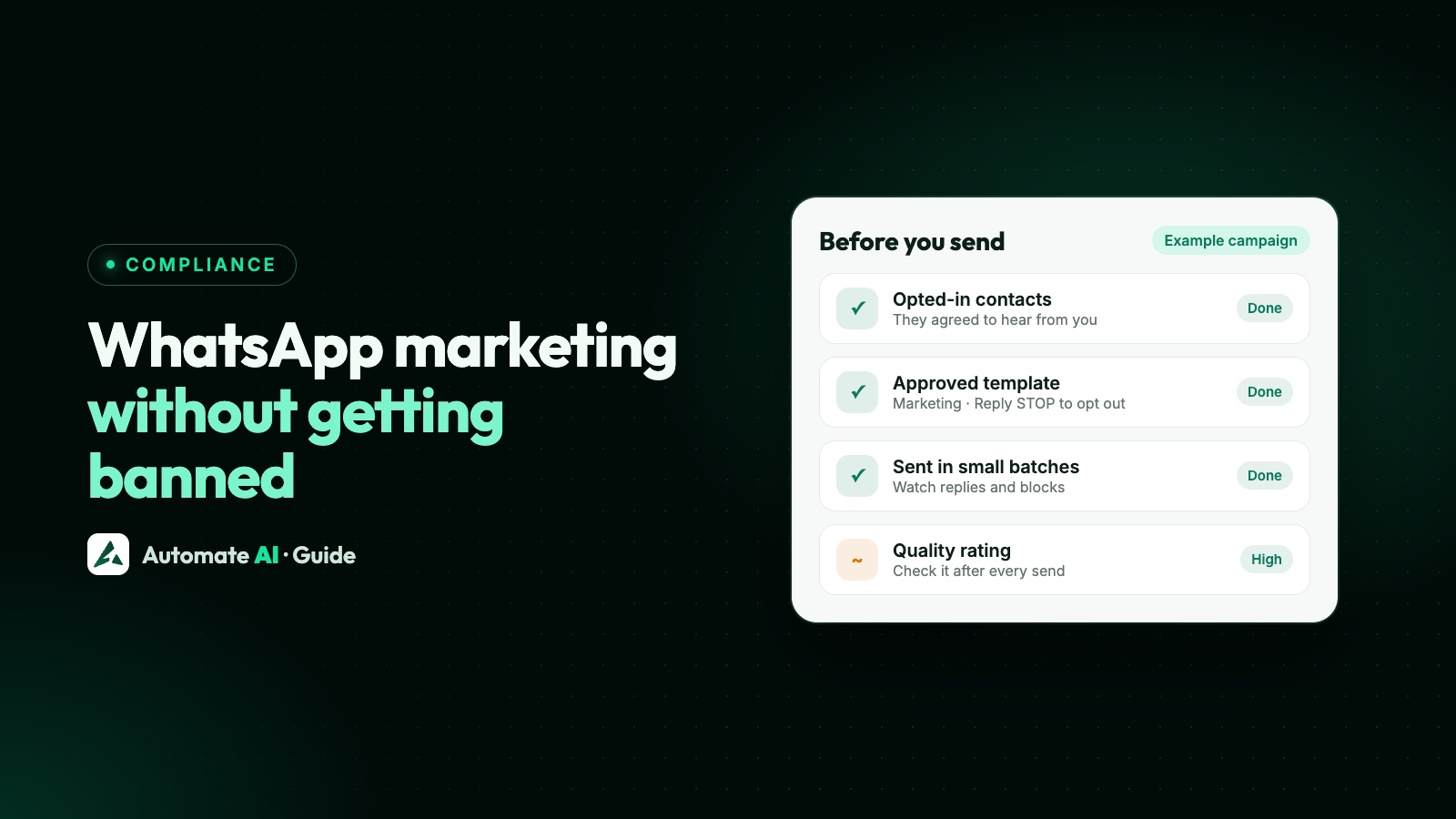
- WhatsApp, everywhere: you may only contact people who gave you their number and opted in, and the opt-in must name your business. Local law still applies. See WhatsApp opt-in.
- United States: the TCPA rules generally require prior express written consent for automated marketing calls and texts, and business texts from local numbers need A2P 10DLC registration. For email, CAN-SPAM doesn’t generally require opt-in, but you need a working opt-out, a postal address and honest headers, and you must act on opt-outs within 10 business days.
- United Kingdom: the ICO says you must not send marketing emails or texts to individuals without specific consent. A “soft opt-in” covers your own customers for similar products, with a clear way to opt out each time.
- India: commercial SMS runs on TRAI’s DLT system, with registered headers and templates. See WhatsApp vs SMS marketing in India.
- Gmail, wherever you are: anyone sending 5,000 or more messages a day to Gmail must set up SPF, DKIM and DMARC, offer one-click unsubscribe on marketing mail and keep reported spam below 0.30%.
Cost: three different models
- WhatsApp: charged per delivered template, by category and the recipient’s country. Customers’ messages to you are free, and each number gets 1,000 free service messages a month. Rates for every country are in WhatsApp API pricing, billed in INR on Automate AI, with US$ figures as an approximate guide.
- SMS: usually charged per message part, at a rate set by your provider and the destination. One part holds 160 plain characters, but only 70 if the text has emoji or non-Latin script, so a long message in Hindi or Arabic can use several parts.
- Email: usually a monthly plan based on your list size or sends, so each message costs very little. The real costs are design, list care and keeping your domain in good standing.
Price per message is the wrong thing to compare. A cheap message nobody acts on costs more than a dearer one that gets a reply. Work out cost per reply or cost per sale for each channel.
Content, replies and automation
Rich content
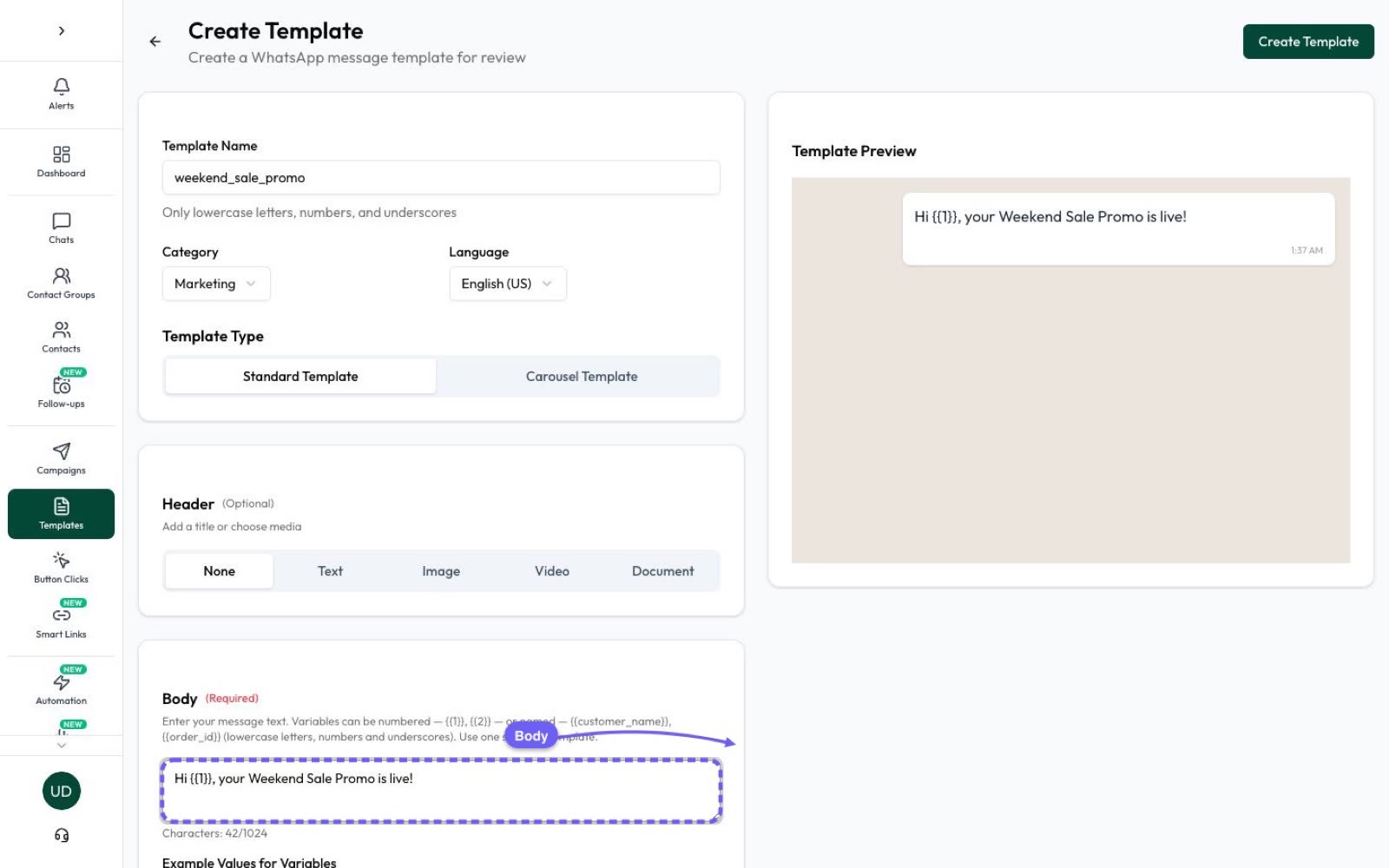
Email has the most room: full layouts, long text and as many images as you like. WhatsApp templates can carry an image, video or document, up to 1,024 characters of body text and buttons. SMS is plain text with a link.
Two-way replies
This is WhatsApp’s biggest difference. A customer can ask a question under your offer and get an answer in the same chat, and for 24 hours after their last message you can reply freely. SMS can do this if your number accepts replies. Email replies work too, but marketing email rarely goes to an inbox someone is watching.
Automation
Email automation is the most established, with welcome series, segments and newsletters. WhatsApp automation is built around conversations: chatbots, drip sequences that stop on reply and AI answers. SMS automation depends on your provider, and it usually means scheduled sends and keyword replies.
Tracking: what you can really measure
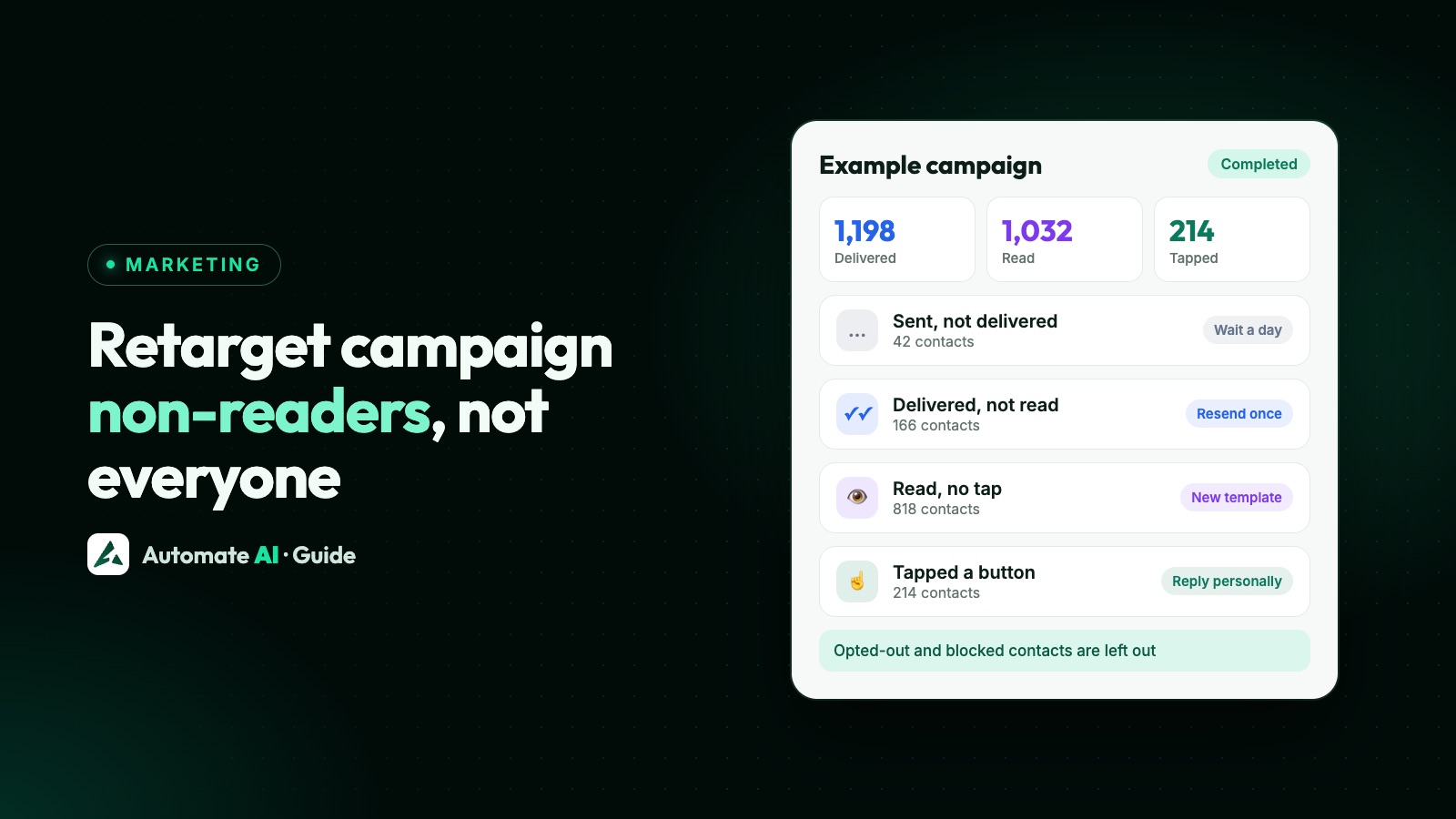
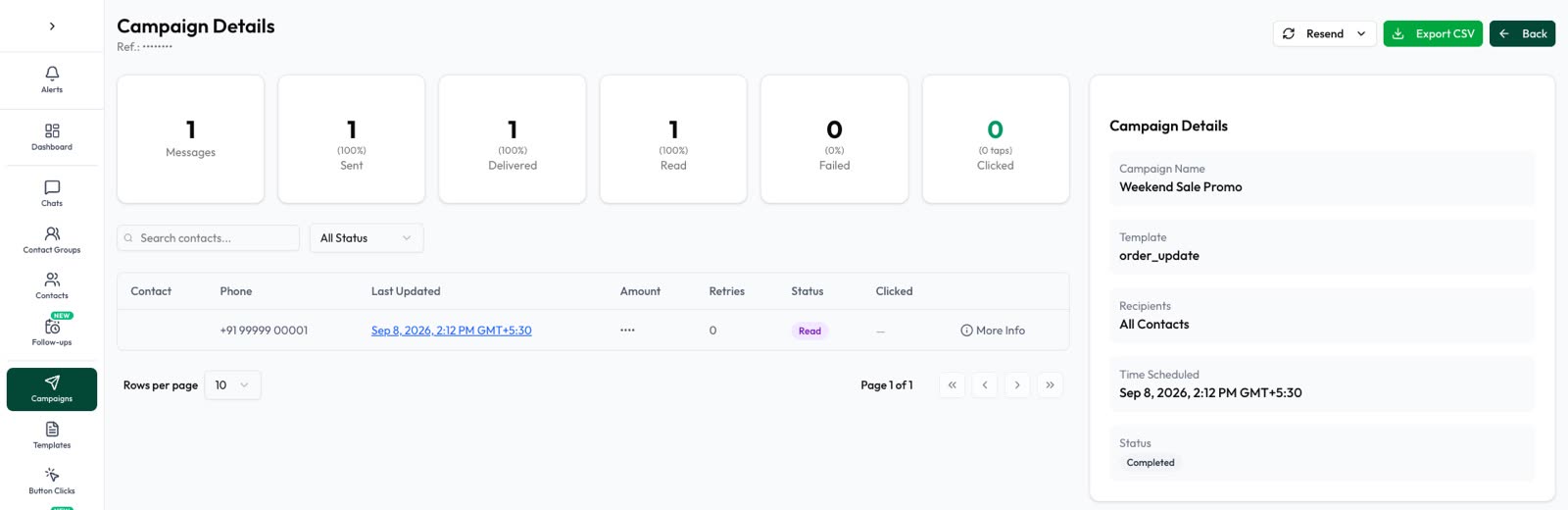
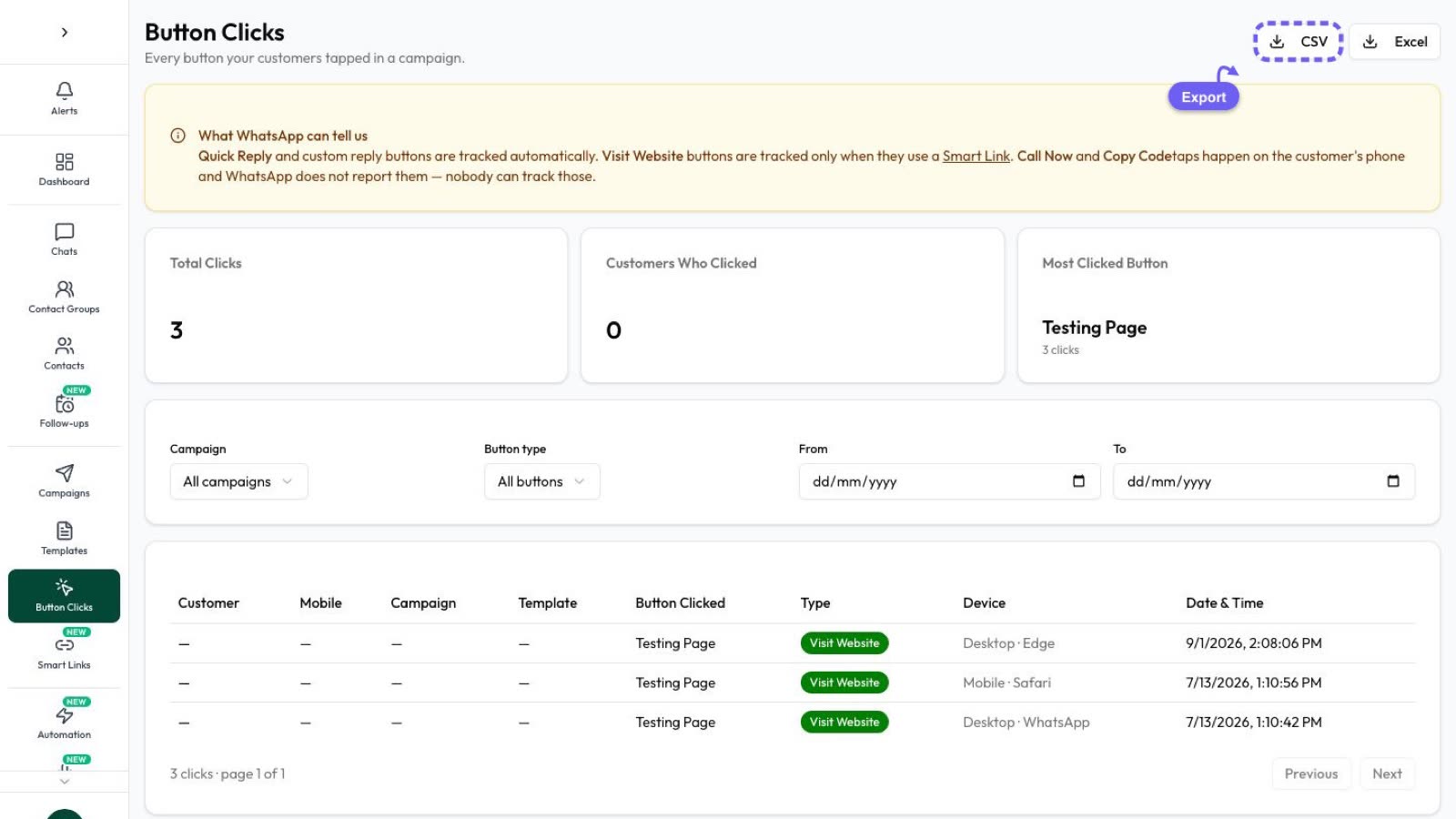
- WhatsApp: sent, delivered and replies, plus read counts for people who haven’t turned off read receipts. Quick-reply taps are tracked, and website buttons need a tracked link.
- SMS: delivery reports where the network provides them, and clicks if you use tracked links. There’s no read count.
- Email: clicks and replies are useful, but opens aren’t. Apple’s Mail Privacy Protection loads remote content in the background whether or not someone opens the message, so open counts can’t be trusted.
Be careful with round open-rate figures quoted online. We haven’t found an official, independent figure comparing all three, and the measures aren’t like for like anyway. A fair comparison is the same offer, to similar customers, judged on replies and sales.
When email is the better choice
- Long content: newsletters, guides, reports and anything people read at leisure.
- Records: receipts, invoices and statements that people keep and search for later.
- B2B: where work happens in an inbox and a personal chat app feels too familiar.
- You only have consent for email, or only an email address.
- Large lists with a small profit per customer, where a per-message charge won’t pay back.
- Offers to US customers, because WhatsApp marketing templates don’t reach them.
When SMS is the better choice
- Customers who aren’t on WhatsApp, or who haven’t opted in to it.
- Alerts that must reach everyone, including people with no data connection.
- A fallback for one-time passcodes, when a WhatsApp message doesn’t arrive.
- Countries where WhatsApp isn’t the everyday app, and texting is.
- Very short messages, where a line and a link say everything.
When WhatsApp is the better choice, and how to use all three
WhatsApp earns its higher price per message when you want a reply: customers with questions, reminders they can answer, and offers that open a conversation, in countries where people use it every day.
| Message | Best channel | Backup |
|---|---|---|
| Order and appointment updates | WhatsApp utility template | SMS or email |
| Offers with images and a question to ask | WhatsApp marketing template | |
| Monthly newsletter | A short WhatsApp note to opted-in fans | |
| One-time passcodes | WhatsApp authentication template or SMS | The other one |
| Critical service alerts | SMS | |
| Invoices and statements | WhatsApp document, where it’s a utility message | |
| Customer support |
To test it, send the same offer to two similar groups of opted-in customers on two channels, and compare replies and sales, not opens. Ask people which channel they prefer when they sign up, and respect it.
Automate AI runs your WhatsApp side on Meta’s official API: campaigns, templates, chatbots and a shared inbox, with delivered, read and button-tap counts. It doesn’t replace your email platform or SMS provider, so keep those for the jobs above.
Frequently asked questions
Which is better, WhatsApp or email marketing?
It depends on the job. WhatsApp suits short messages that invite a reply, in countries where people use it daily. Email suits long content, records and large lists at low cost.
Is SMS better than email?
For short, urgent messages that must reach any phone, yes. For long content and regular newsletters, email is usually the better fit.
Is WhatsApp marketing cheaper than SMS?
It depends on the country. WhatsApp rates are set per template category and country, and SMS rates by provider and destination, so compare the two for your own market.
Do I need consent for all three?
WhatsApp’s policy always requires opt-in. For SMS and email it depends on local law: the UK generally needs consent for individuals, and the US has separate rules for texts and email.
Can I send WhatsApp marketing to US customers?
Not at the moment. Meta says WhatsApp doesn’t currently deliver marketing templates to US numbers, so use email or SMS for offers there, within US rules.
Which channel has the highest open rate?
We haven’t found an independent figure comparing all three, and email opens are unreliable because of Apple’s Mail Privacy Protection. Compare replies and sales from your own tests instead.
Should I use all three?
Only if each has a job. Many businesses do well with two: one for conversations and one for long content or as a backup.
Sources
- WhatsApp Business Messaging Policy
- Meta: Per-user marketing template limits (US numbers)
- FTC: CAN-SPAM Act compliance guide for business
- ICO: Electronic mail marketing
- US telemarketing rules: 47 CFR 64.1200
- Google: Email sender guidelines
- Apple: Mail Privacy Protection and privacy
- Twilio: SMS character limit
WhatsApp rules and prices change. We check these guides against Meta’s documentation, but always confirm current terms with Meta before you rely on them. Questions? Message us on WhatsApp at +91 836 977 8812.